A consumer fills out a form once, but that lead may enter a live auction between several potential buyers within milliseconds.
During that short window, the system has to check partial lead information, filter bad submissions, compare bids, and route full details to the winning buyer before the lead value starts dropping.
Legacy ping post software often fails under that pressure, especially in home services, improvement, and insurance campaigns with heavy traffic volume.
In this guide, you’ll learn which features set the best ping post software apart from outdated systems.
TL;DR
- The best ping post platform provides real-time lead routing, validation, buyer matching, and auction controls that maximize lead value before delivery.
- Look for flexible ping tree management, advanced routing filters, and automated lead distribution that can handle high traffic volumes without delays.
- Strong validation tools verify phone numbers, emails, duplicates, consent records, and other quality signals before leads enter live auctions.
- Reporting, analytics, buyer management, seller controls, and compliance features are essential for monitoring performance and protecting marketplace quality.
- Standard Information combines ping post auctions, lead validation, routing automation, compliance controls, and real-time reporting in a single platform built for lead marketplaces.
How Ping Post Lead Distribution Works
Let’s say a consumer fills out a quote form for insurance, solar, or roofing. The platform does not send the full file right away. The system builds a smaller packet called the “Ping” using partial lead information like:
- Zip code
- Roof age
- Vehicle type
- Loan amount
A fast auction model built on high-speed ping-post technology runs in under a second, giving buyers enough time to decide whether the lead fits their campaign rules. That quick lead distribution process protects the lead’s personal information until the sale finishes safely.
After that, the platform broadcasts the request to potential lead buyers connected to the network. For instance, one buyer may offer $18 for a lead source, while another may return a $42 bid for the same profile.
An automated open-market ping-post process keeps bidding fair, since every buyer reviews the same limited dataset first.
What Is a Ping Tree?
A ping tree is like a flowchart for lead routing.
Incoming leads enter the top of the tree, then move through different branches based on routing rules, pricing logic, or buyer filters. This branching lead distribution method helps you sort traffic before sending files to buyers.
In a sequential setup, advertisers are ranked based on historical payouts or fixed prices. If the first company rejects the lead, automated trees move the lead to the next branch. Backup paths can also search for additional buyers if the first account fails during the auction window.
You can further run waterfalls and auctions in the same system, depending on campaign goals. Pricing shifts constantly during live auctions because buyer demand changes in real time.
Client accounts are not created equal, either, since some partners convert traffic better and pay higher rates.
Certain campaigns also use multi-buyer workflows where shared sales produce more revenue than one exclusive deal. The routing engine checks every response before the highest bidder receives the file.
Who Uses Ping Post Platforms
Lead-generation teams use ping post systems to manage auctions, buyer networks, and traffic flow. These systems manage the data flow between everyone involved in performance marketing:
- Publishers
- Brokers
- Lenders
- Local contractors
Lead sellers usually collect traffic through SEO pages, paid ads, or comparison websites. Live auctions help lead sellers maximize payouts because buyers compete against each other rather than relying on fixed prices.
Brokers also depend heavily on these platforms during the lead-buying process. Many companies buy leads from smaller publishers, then resell those files through larger buyer networks seconds later.
Insurance brands, lenders, and home improvement companies also use these systems to filter web leads by service area, lead types, or budget limits. Smart teams rely on those controls for budget optimization, better lead quality, and stronger buyer performance.
Features to Look for in the Best Ping Post Platform
Choosing the right platform directly affects how quickly your web business can grow, how much you earn from each lead source, and how well your buyer network handles peak traffic periods.
Real-Time Lead Routing
New web leads lose value fast once they get stuck in delayed inboxes or old customer relationship management (CRM) queues for even a few minutes.
The moment a consumer clicks “Submit” on a landing page is when your platform should process the form data, scrub invalid entries, run the auction logic, and immediately inject the lead into the buyer’s CRM system.
Some platforms can screen potential buyers based on active states, service areas, and budget limits first. When a buyer’s server takes longer than 800 milliseconds to return a bid, the platform removes that account from the auction instantly and moves to the next available option.
During peak campaigns, thousands of pings and posts may hit the platform at the exact same second. Visual dashboards can push text data leads into remote dialer systems with almost no delay.
Flexible Ping Tree Management
Ping trees should let you control how every lead moves through the system. You can set routing rules based on:
- Time of day
- Traffic source
- Affiliate ID
- Service area
Let’s say Buyer A offers $40 for one exclusive lead, but Buyers B, C, and D each offer $15 for shared rights. Your platform should route the lead to multiple buyers and maximize revenue automatically.
Lead Validation Tools
Users sometimes buy the same lead twice from different affiliates, as some sellers submit forms on several comparison sites during the same hour. Fraud-protection tools prevent duplicate entries before buyers waste money on repeated traffic.
Scoring tools let you review lead quality through address checks, active phone verification, and email testing before the ping enters the auction. They can also perform real-time syntax checks first, then verify whether the email domain has active MX records.
Running phone verification checks remains a common practice among top buyer networks, too.
Selecting the right ping post software helps you immediately reject broken forms, bot traffic, and invalid records.
Lead Distribution Automation
Manual lead handling falls apart once campaigns start processing thousands of submissions daily.
Webhooks can use advanced automation to keep CRMs, dialers, reporting tools, and accounting systems synced automatically. The software monitors each lead status and reacts instantly once something changes.
For example, after a lead completes the “Post” stage successfully, the system can generate an invoice, update reporting dashboards, and change the consumer tracking status immediately. Failed posts should trigger backup routing paths automatically, too.
Digital portals can distribute leads through:
- API posts
- Text alerts
- HTML emails
- CRM integrations
High-end communication layers manage call routing for live phone transfers between consumers and sales teams.
Hands-free processing lowers operational complexity for smaller teams managing several traffic sources daily.
Buyer and Seller Management
Large lead networks need strong account controls once several partners start buying and selling traffic through the routing system. Independent lead sellers usually need private dashboards where they can monitor payouts, rejection rates, and campaign totals in real time.
Enterprise lead buyers often set strict volume limits based on daily sales capacity. Buyer accounts can check lead attributes like credit score, location, insurance type, or property details before spending money during auctions.
Market filters should distribute traffic toward the right buyers based on service area, budget size, and campaign rules.
Advanced Routing Filters
Basic ping post distribution structures are your wall between anonymous lead qualifiers and sensitive consumer data.
Auctions use real-time bidding frameworks to force client accounts to compete for assets based on actual lead value. One insurance buyer may bid $12 for a high-risk profile, but another company may return $45 for a driver with a clean record and active coverage history.
Payouts naturally rise when premium-demand partners compete for top files, but strict filters still control who enters the auction.
Legal requirements can shift heavily on some verticals like debt settlement, mortgage lending, or medical financing, which means routing systems must filter traffic carefully before the ping reaches buyers.
Reporting and Analytics
Analytics inside lead distribution software should show exactly where your pipeline loses money, where buyers reject traffic, and which campaigns produce the strongest payouts.
Dashboard graphs track performance data like:
- Bid volume
- Win rates
- Rejection patterns
- Timeout activity during live campaigns
Smart brokers use real-time analytics to catch sudden pricing shifts before revenue drops become expensive. If home insurance bids fall sharply in one state, the system reports the change immediately so managers can reroute traffic elsewhere.
Drop-off reports can also reduce wasted spend from weak ad campaigns, broken forms, or low-quality traffic sources before budgets disappear.
TCPA Compliance and Lead Security
TCPA compliance problems can destroy a buyer network, especially once telemarketing complaints or dialing violations start piling up.
Strong compliance modules make it safer to sell leads by checking permission records before traffic reaches a buyer system.
Secure auction gateways should transmit only the leads tied to verified consent records and active permission tokens. Native consent-tracking tools record timestamps, IP addresses, and opt-in checkbox activity so buyers can prove that the consumer agreed to receive contact.
Strict security controls protect buyers as much as consumers. Routing systems should isolate account permissions carefully so publishers only view their own traffic and buyers only access the leads they purchased successfully.
Boost Lead Distribution Performance With Standard Information
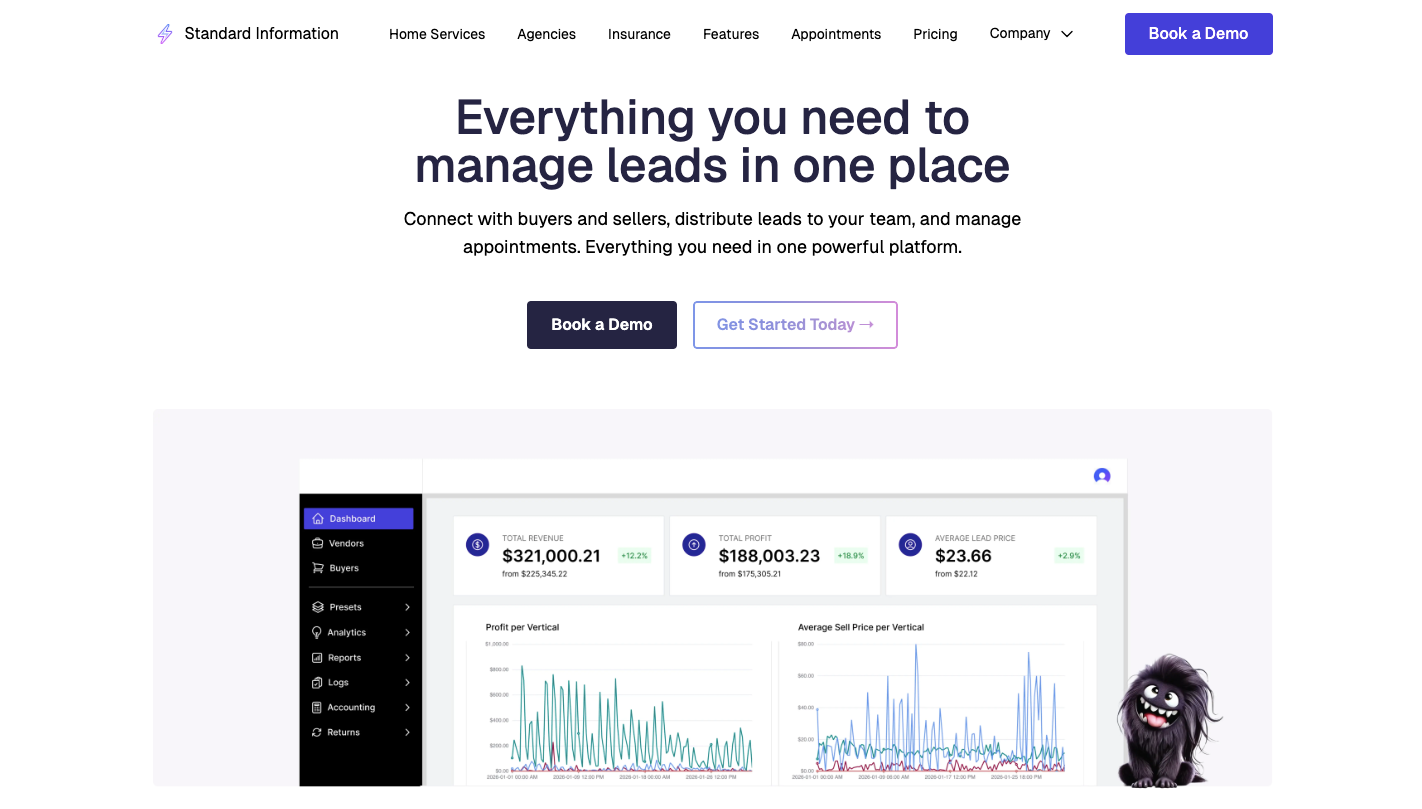
Most ping post systems start breaking once traffic volume rises, buyer rules become more complex, or several campaigns start competing for the same inventory.
Standard Information was built for companies that need more control over auctions, routing logic, validation, and marketplace management.
Routing and Smarter Auction Control
The moment a consumer submits a form, Standard Information can validate the request, launch the auction, compare bids, and send the full details to the buyer’s CRM within seconds.
You can build custom lead distribution strategies based on:
- Geography
- Campaign schedules
- Pricing floors
- Service categories
Auction logic can automatically compare exclusive and shared payouts, too. If one buyer offers $40 for exclusive rights, but three approved buyers generate $54 combined, the platform routes the lead through the higher-paying path immediately.
Complete lead details only move after the transaction locks successfully between both sides.
Advanced Filters Built for Every Lead Vertical
Home services campaigns may depend on zip code filters and contractor coverage areas, while insurance buyers may focus on age, vehicle type, or policy history.
Standard Information lets you create advanced routing conditions for each campaign separately.
Buyers can set blackout schedules, bid limits, traffic caps, and response windows directly inside the dashboard. Sellers, on the other hand, can block unwanted traffic sources, reject duplicate submissions, and route leads toward higher-performing buyer groups automatically.
Marketplace Management
Large buyer networks become difficult to manage once dozens of publishers, brokers, and vendors enter the same marketplace. Standard Information gives you one system for auctions, pricing controls, integrations, and reporting.
You can also map fields visually, connect buyer APIs, and test payloads before launch. Sensitive contact details stay protected during delivery, and routing logs record every ping, reject, bid, and post for easier troubleshooting later.
Real-Time Reporting and Validation Controls
Bad traffic can destroy marketplace performance if weak submissions enter live auctions unchecked. Standard Information validates:
- Phone numbers
- Filters duplicates
- Known opt-outs
- Compliance records
Reporting dashboards track every stage of the auction process in real time. You can review buyer response speed, rejection rates, conversion trends, and traffic quality from each source directly inside the platform.
FAQs About the Best Ping Post Platform
Which platform is best to get leads?
Standard Information is ideal for companies that buy and sell leads at scale because it handles routing, validation, auctions, and buyer management in one place.
Modern ping post software supports live bidding and automated lead delivery, which helps you move traffic faster.
What is the best social media platform for lead generation?
Facebook performs well for home services, insurance, and local campaigns. LinkedIn works better for B2B leads. TikTok and Instagram usually perform better for younger audiences.
Who is the best lead generation company?
The best company depends on your industry and lead quality needs. Standard Information stands out for businesses that need better control over routing, validation, and live auctions.
Where is the best place to get leads?
Most businesses get leads from Google Ads, SEO, comparison sites, social ads, and affiliate traffic. Strong distribution and validation systems usually make the biggest difference after the lead enters the platform.