Bad leads create problems fast. Buyers waste money on fake submissions and disconnected numbers, while sellers deal with rejected traffic, disputes, and lower payouts. Those issues grow even faster inside large lead marketplaces where thousands of submissions move through the system every day.
Lead qualification platforms help sort qualified leads through scoring, fraud detection, intent data analysis, and automated routing.
In this article, you’ll learn how these systems work and what separates strong platforms from weak ones.
TL;DR
Here are the top eight lead qualification platforms:
- Standard Information
- boberdoo
- Phonexa
- LeadByte
- CAKE
- Retreaver
- Invoca
- Ringba
Why Lead Qualification Matters for Lead Buyers and Sellers
Large lead networks process thousands of submissions every day, and weak filtering damages both sides of the marketplace quickly. Buyers lose money on fake records, while sellers deal with rejected traffic, chargebacks, and lower payouts.
Effective lead qualification helps platforms review submissions before distribution starts. Other reasons why lead buyers and sellers need lead qualification:
- Priority pipelines route verified prospects to isolate high-intent leads before ping post auctions begin.
- Smart systems filter the pipeline to separate the most promising leads from low-value traffic.
- Teams often receive too many leads from weak publishers that recycle old or fake records.
- Better filtering helps you convert leads after buyers receive valid contact details and real intent data.
- Brokers scale premium distribution networks by delivering high-quality leads that buyers can contact immediately.
- Auditing traffic sources allows you to constantly improve lead quality by removing weak vendors and low-performing campaigns.
Top 8 Lead Qualification Platforms in 2026
To choose the right lead qualification software for you, here are the top eight options in 2026:
1. Standard Information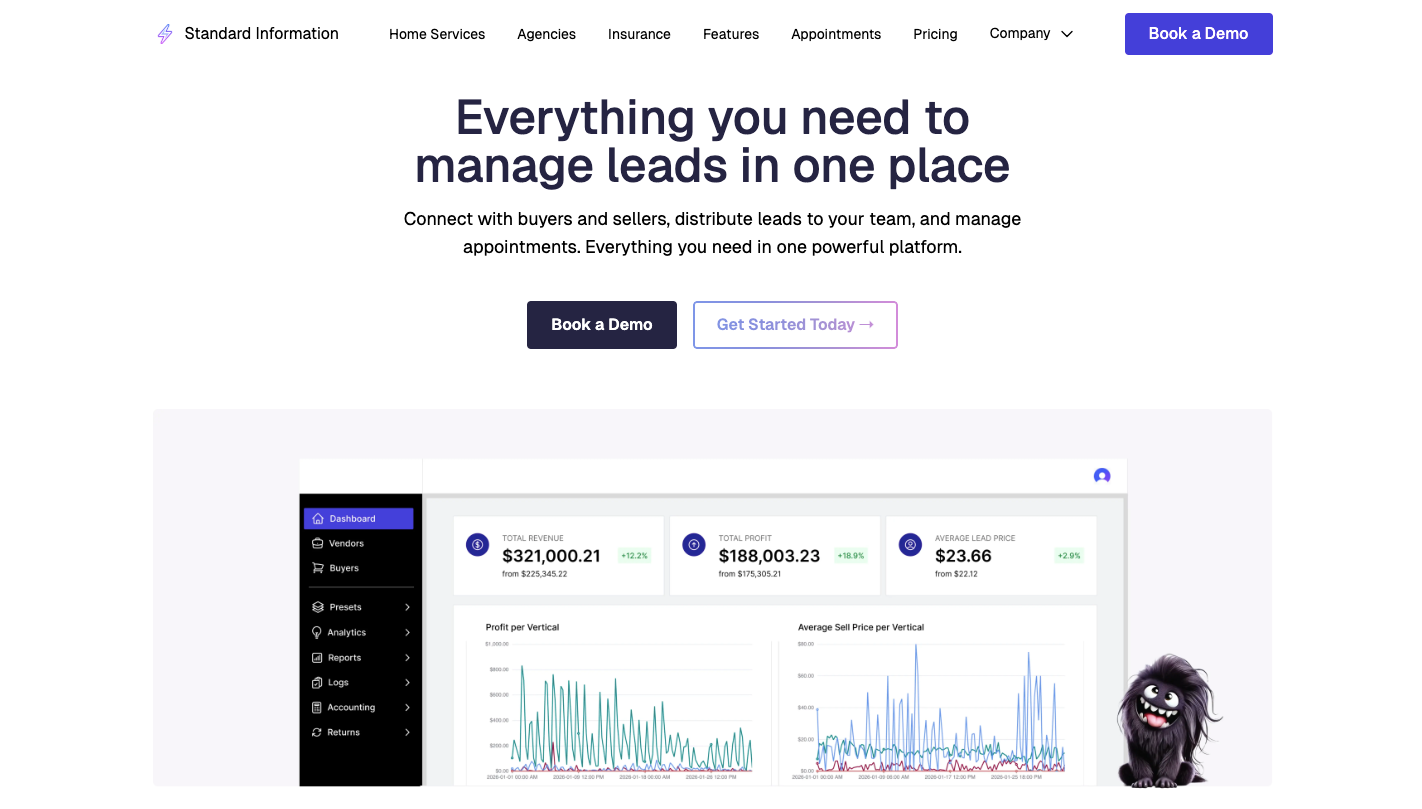
Most lead qualification platforms handle only one part of the process. Some focus on phone verification. Others specialize in routing or call tracking.
Standard Information combines validation, ping post distribution, buyer management, and marketplace controls inside one platform built for lead sellers, aggregators, and home service networks.
Traffic can enter through forms, API feeds, live calls, or publisher campaigns.
First, Standard Information reviews phone activity, email status, duplicate records, fraud signals, and blacklist matches before buyers receive anything. Routing starts after those checks finish.
Buyer rules then sort submissions using geography, pricing, lead score, schedules, and capacity settings.
Real-time dashboards track ping activity, routing results, buyer responses, and system errors as traffic moves through the platform. You can also launch buyer connections quickly through no-code integration tools.
Key Features
- Real-time lead routing - Buyer filters sort traffic using geography, bid prices, schedules, lead score rules, and campaign limits before distribution starts.
- Ping post auctions - Multiple buyers receive lead pings simultaneously while routing logic sends traffic to the highest bidder automatically.
- Lead validation checks - Phone verification, email reviews, duplicate filtering, and blacklist controls stop bad submissions before buyers receive them.
- Marketplace management - Operators manage publishers, buyers, payout settings, routing rules, and campaign controls from one dashboard.
- No-code buyer integrations - Visual setup tools connect buyers through APIs, webhooks, and field mapping without developer support.
- AI call center features - Ping post appointments helps companies manage inbound calls, bookings, live routing, and calendar scheduling all day.
- Reporting and compliance tools - Live dashboards monitor routing activity, ping results, TCPA settings, buyer responses, and traffic quality tied to each campaign.
2. boberdoo
Source: boberdoo.com
Large lead marketplaces need strict filtering before routing traffic to buyers. Bad submissions create refund requests, lower payouts, and hurt buyer trust fast.
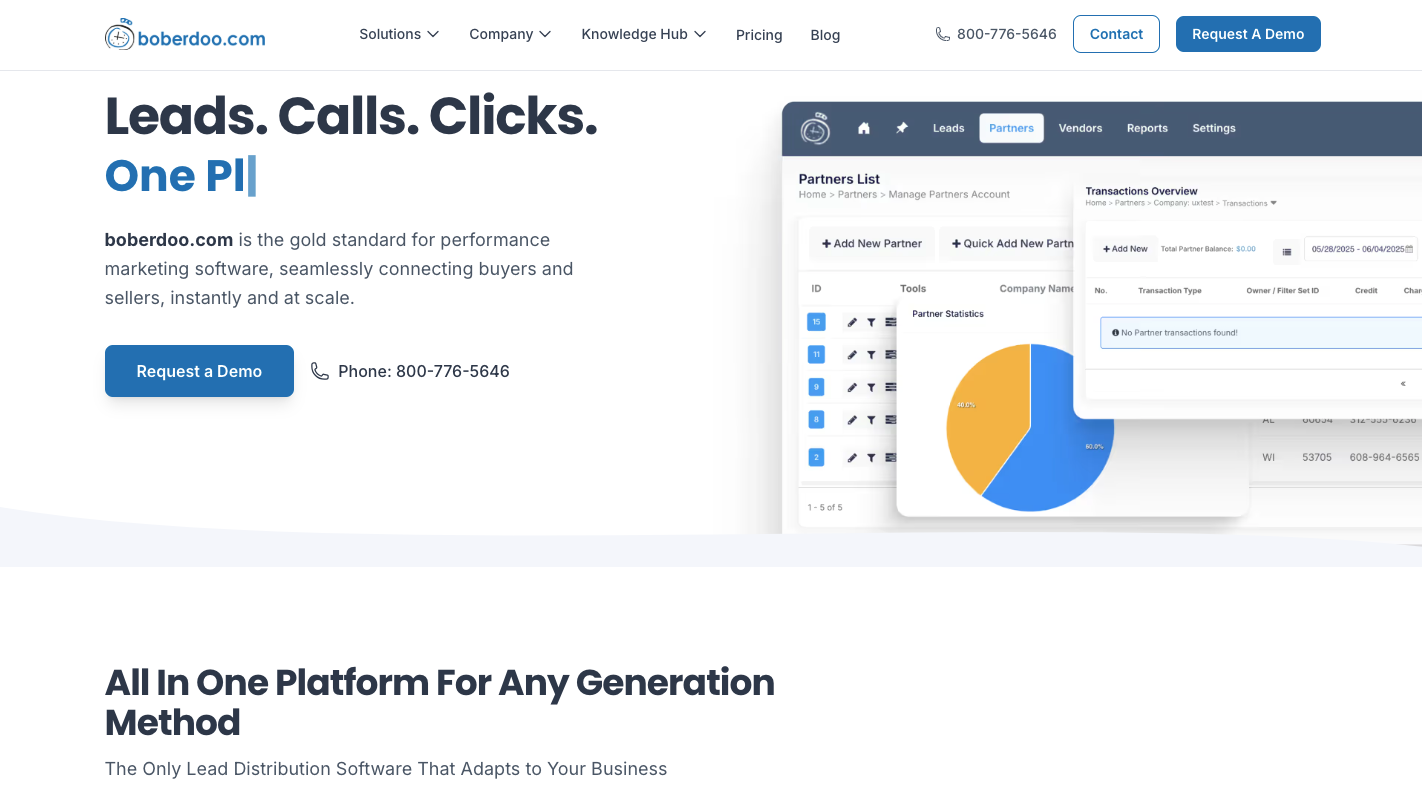
boberdoo focuses on lead qualification and ping post distribution for companies handling high traffic volume.
Its leadQC engine, a lead qualification tool, reviews submissions the moment incoming leads enter the system. Carrier checks verify phone activity, while fraud filters inspect IP behavior, duplicate records, and suspicious form patterns.
You can further reject low scores automatically or move flagged records into manual review queues for another check. Systems cross-reference details against multiple data sources simultaneously to catch fake information before buyers receive the lead.
Key Features
- Lead scoring engine - Grading engines analyze data the instant an automated lead hits the platform and assign scores based on validation checks, fraud signals, and data accuracy.
- Phone and email verification - Carrier lookups confirm active phone lines, while email checks review domain activity and inbox validity before routing starts.
- Fraud screening tools - Reverse IP checks, proxy detection, litigator screening, and bad word filters block risky traffic before buyers receive submissions.
- Manual review queue - Low-scoring records move into approval queues where operators can review details and decide whether the submission should pass.
- Ping post routing - Buyer rules compare bids, geography, and campaign conditions in real time before distribution begins.
- Compliance integrations - TrustedForm, Jornaya, and fraud prevention services help you verify consent records and audit traffic quality.
3. Phonexa
Source: phonexa.com
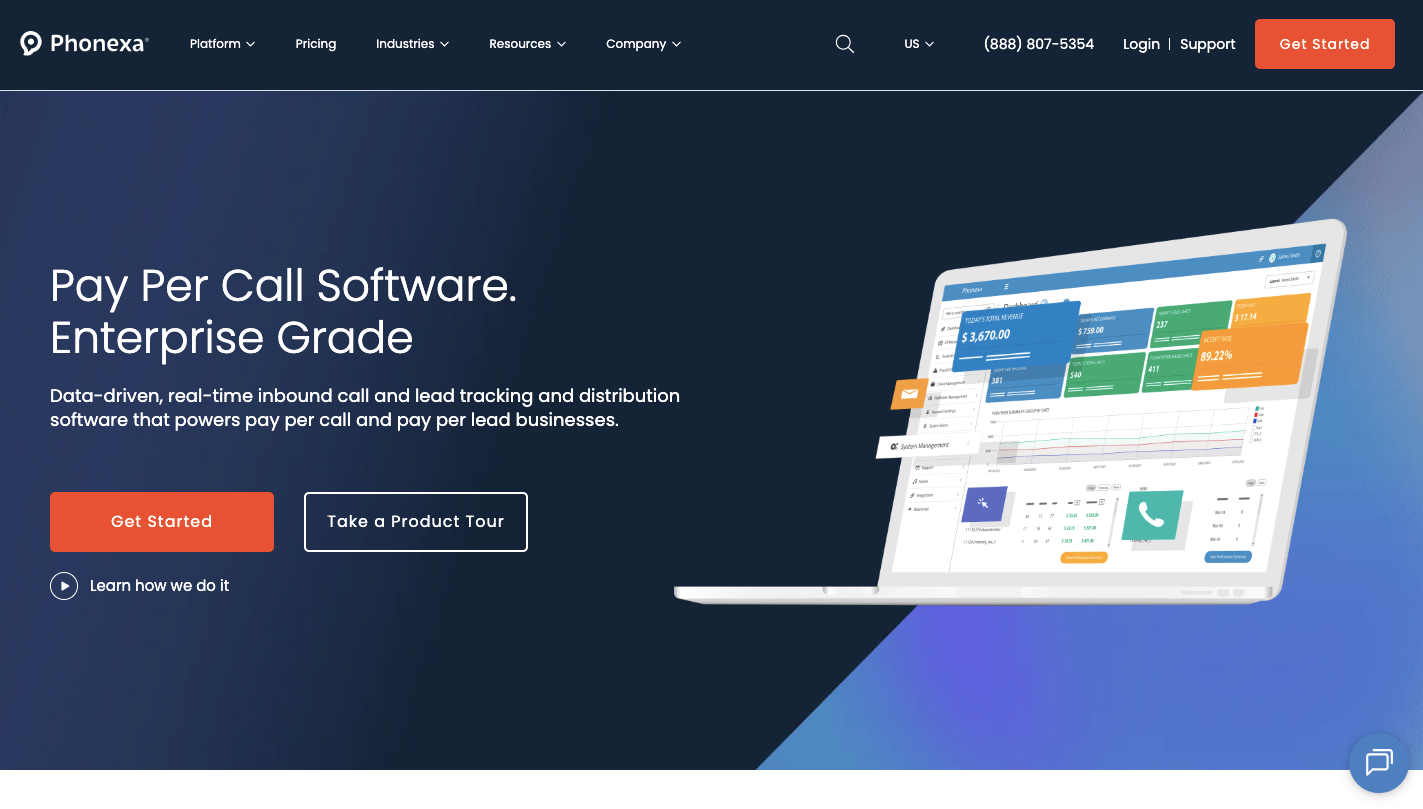
Phonexa manages both web forms and inbound calls from the same platform.
Tracking tools collect user activity on a multi-channel digital infrastructure, while tracking scripts monitor consumer profiles using hundreds of independent data points.
System algorithms then calculate user value based on dynamic intent signals before buyers receive the submission. The platform also automates lead scoring using buyer intent and behavioral signals.
To measure customer actions, you can use the built-in AI-powered lead scoring logic.
Before routing begins, the back-end infrastructure does immediate checks to deliver automated lead qualification options. And based on bidding rules and campaign filters, Ping Tree Networks handles real-time lead routing to available buyers.
Key Features
- Phone verification - Carrier checks confirm whether numbers still connect to active mobile or landline networks before distribution starts.
- Fraud screening - IP analysis reviews proxy traffic, VPN usage, suspicious locations, and bot activity before buyers receive the submission.
- Duplicate filtering - System rules compare fresh traffic against older records to block repeat submissions and recycled calls.
- Voice qualification tools - IVR menus ask callers questions and route responses through live scoring checks before transfer begins.
- Behavior tracking - Multi-channel tracking tools monitor clicks, visits, and page activity before users complete forms or calls.
- Lead scoring logic - Teams can adjust scoring models based on buyer requirements and traffic quality.
- Buyer routing controls - Ping tree systems compare bids, geography, filters, and campaign rules before assigning traffic to buyers.
4. LeadByte
Source: leadbyte.co.uk
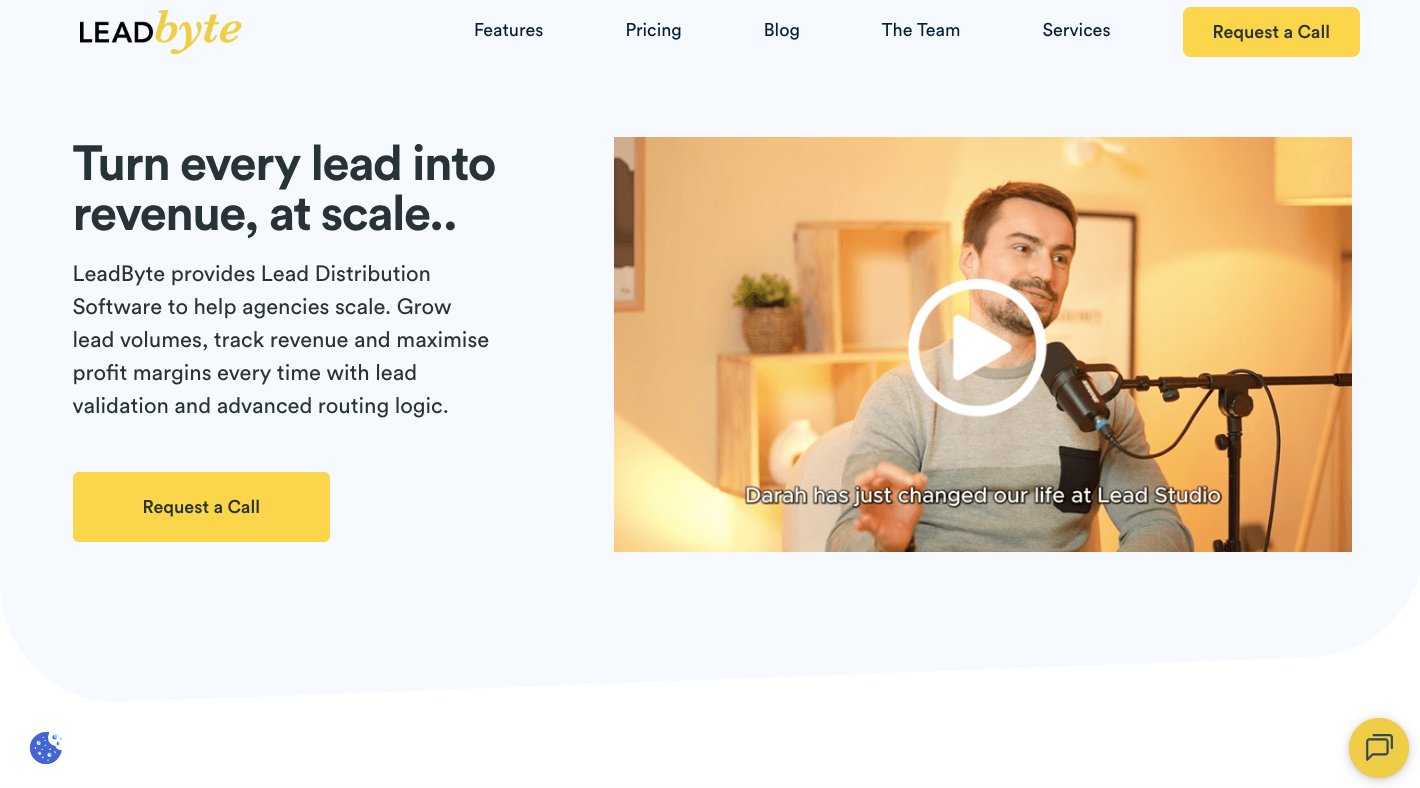
LeadByte is for agencies, affiliate networks, and lead distribution companies that process large submission volumes every day. Weak filtering creates refund disputes fast, especially when buyers purchase bad entries when lead data is not cleaned before routing begins.
It checks the records the second a user submits information. Processing runs in milliseconds as a prospect completes a web form submission. Then, through the standard web filters, you can optimize the speed of your inbound lead qualification workflow.
Since dummy details easily bypass simple lead capture forms, LeadByte conducts live phone, email, address, and duplicate checks before distribution starts.
Marketing efforts drop conversions if you fail to screen incoming inbound leads before routing. Delivery systems protect buyers from junk files by delivering verified contact data after validation finishes.
Key Features
- Phone verification - HLR lookups confirm whether mobile and landline numbers still connect to active carrier networks before buyers receive submissions.
- Email checks - Mail server validation reviews inbox activity and blocks fake, temporary, or risky email addresses during intake.
- Duplicate filtering - System rules compare fresh traffic against older campaign records to stop repeat submissions and recycled entries.
- Address validation - Postal checks review street details, zip codes, and property records to confirm valid locations.
- Fraud protection - VPN detection, proxy filtering, and IP analysis block suspicious traffic before routing starts.
- Custom validation rules - Operators create campaign conditions that reject low-income, fake, or unqualified submissions before purchase.
- Compliance tools - Jornaya and TrustedForm integrations help networks confirm consent records and human activity tied to form activity.
5. CAKE
Source: getcake.com
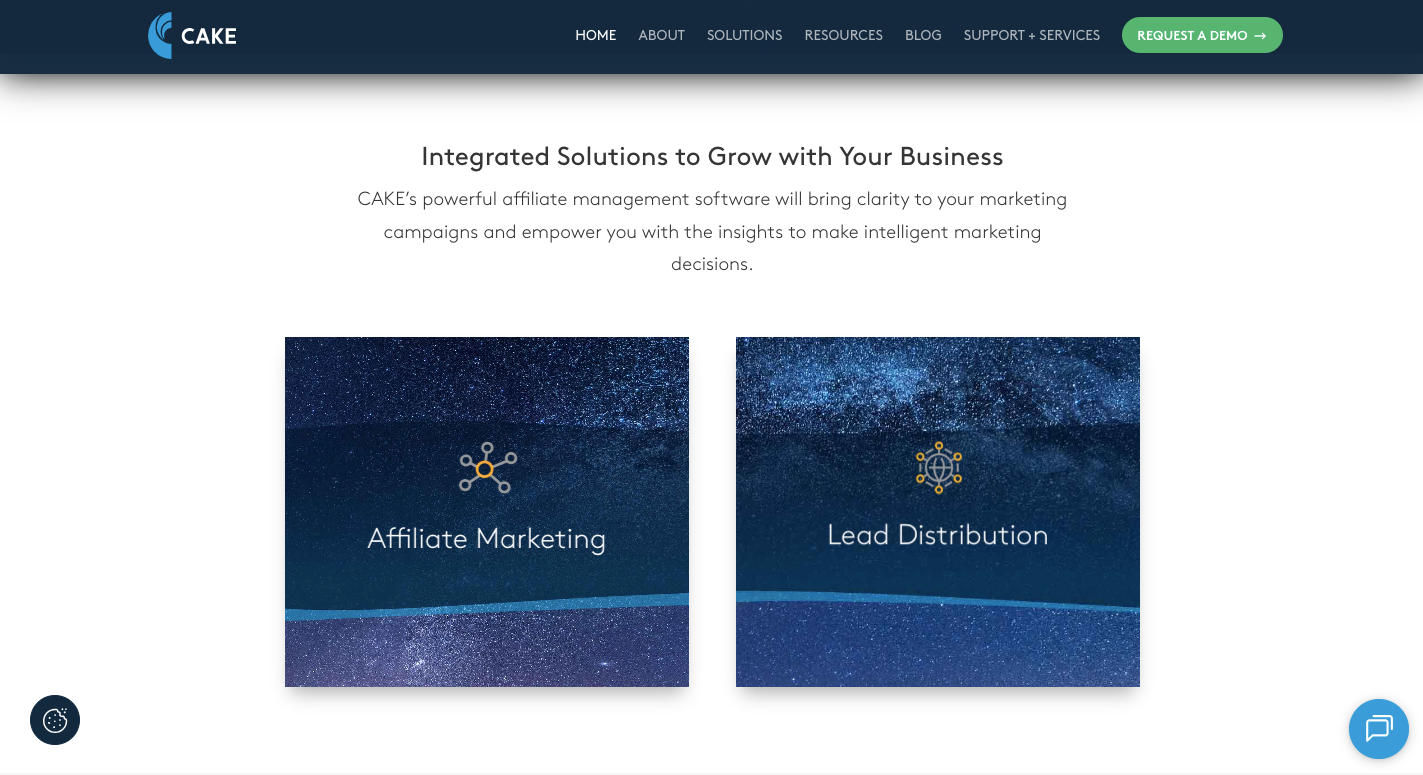
CAKE reviews records before routing starts, since poor data hygiene decreases overall corporate conversion rates over time.
Processing starts immediately after a user submits details. Routing scripts extract entry criteria details right from the form data layer, then tracking networks process inbound payloads instantly using pre-configured automated workflows.
Custom filters evaluate background values to systematically score leads based on buyer qualification rules. CAKE even supports ping post bidding, buyer tiers, and live routing logic for networks handling large traffic volume.
Systems trigger drip campaigns using built-in marketing automation protocols after routing finishes.
Key Features
- Data formatting checks - System rules clean spacing errors, broken phone formats, and invalid email structures before routing begins.
- Duplicate filtering - Historical checks compare fresh records against older campaign data to stop recycled submissions from re-entering the system.
- Fraud protection - Traffic filters review IP behavior, device details, proxy activity, and suspicious patterns tied to fake submissions.
- Lead scoring rules - Buyer conditions sort traffic into quality tiers based on geography, profile details, and validation results.
- Ping post routing - Live bidding systems compare active buyers, payout levels, and campaign rules before assigning traffic.
- Compliance support - TrustedForm and Jornaya integrations help networks store consent records tied to each submission.
- CRM and call integrations - API connections sync routing activity, buyer feedback, and phone tracking records after distribution finishes.
6. Retreaver
Source: retreaver.com
Poor filtering models complicate the overall lead qualification process, especially when buyers pay premium rates for live calls.
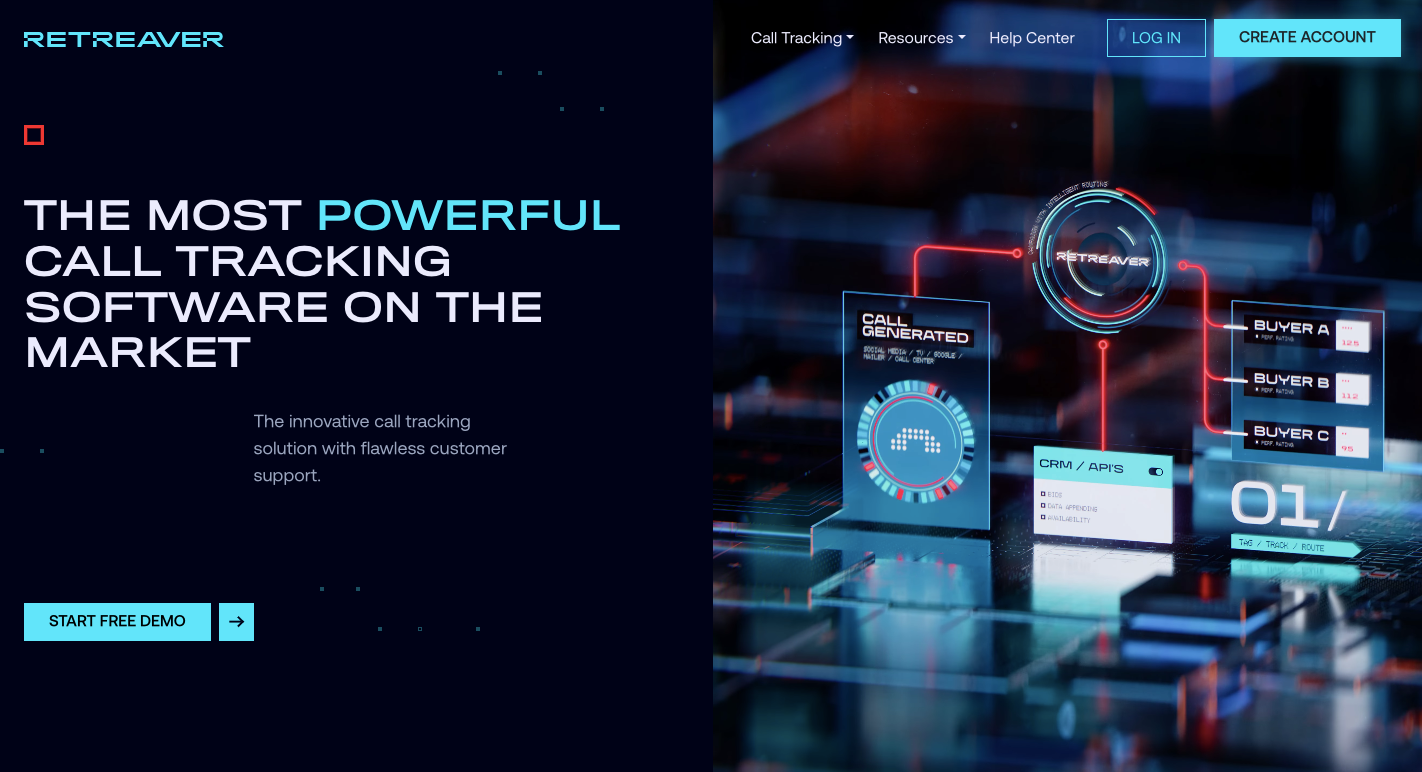
Retreaver tracks caller behavior in real time rather than relying solely on text-based checks.
Voice system workflows filter inbound profiles based on behavioral intent data gathered during calls. Meanwhile, call tracking helps platforms identify stronger buying intent signals. IVR prompts also help platforms collect caller details before transfers move forward.
Retreaver uses tag-based routing to match callers with buyer conditions. Filters drop unqualified buyers based on custom qualification criteria tied to geography, call type, service category, and risk settings.
Voice responses help filter commercial clients according to estimated company size metrics, while cloud databases append dynamic caller history onto existing customer data profiles.
Key Features
- IVR call menus - Voice prompts collect caller answers before routing begins, helping buyers screen traffic faster.
- Tag-based routing - System rules match call details with buyer filters tied to geography, service type, and bidding settings.
- Caller verification - Carrier checks review inbound numbers and flag suspicious traffic before transfers start.
- Spam filtering - Robo calls, fake traffic, and automated dialers get blocked before buyers receive the connection.
- Call recording tools - Conversation logs store call history for audits, dispute reviews, and traffic analysis.
- Live bidding controls - Buyer pools compete for qualified calls through real-time routing and payout rules.
- CRM sync options - API connections transfer call history, buyer feedback, and routing details into reporting systems after calls finish.
7. Invoca
Source: invoca.com
Invoca follows caller behavior before, during, and after live conversations to help lead networks identify stronger traffic sources.
Conversation analytics score phone inquiries automatically using an AI-powered lead engine that reviews keywords, caller responses, page visits, and engagement history. Voice tracking helps identify high-value accounts before routing starts, too.
Invoca connects web activity with phone conversations to improve call scoring accuracy. And compared to other lead qualification software tools, conversation metrics analyze speech patterns.
Bad tracking also breaks alignment between separate sales and marketing teams. Companies often miss monthly conversion projections if revenue teams track messy data pipelines.
Key Features
- Conversation analysis - AI reviews live and recorded calls to detect purchase intent, service interest, and caller urgency.
- Call tracking - Dynamic number tracking connects phone calls with search terms, ads, landing pages, and visitor activity.
- Voice AI tools - Automated agents answer questions, filter callers, and route stronger inquiries to active buyer groups.
- Keyword detection - Speech analysis checks conversations for pricing questions, product mentions, and high intent phrases.
- Call routing - Buyer rules sort traffic using caller behavior, campaign source, and qualification signals gathered during calls.
- Missed call recovery - Priority systems flag abandoned calls tied to stronger buyer intent for immediate follow-up.
- CRM integrations - Routing data, transcripts, and call outcomes sync into reporting systems after conversations finish.
8. Ringba
Source: ringba.com
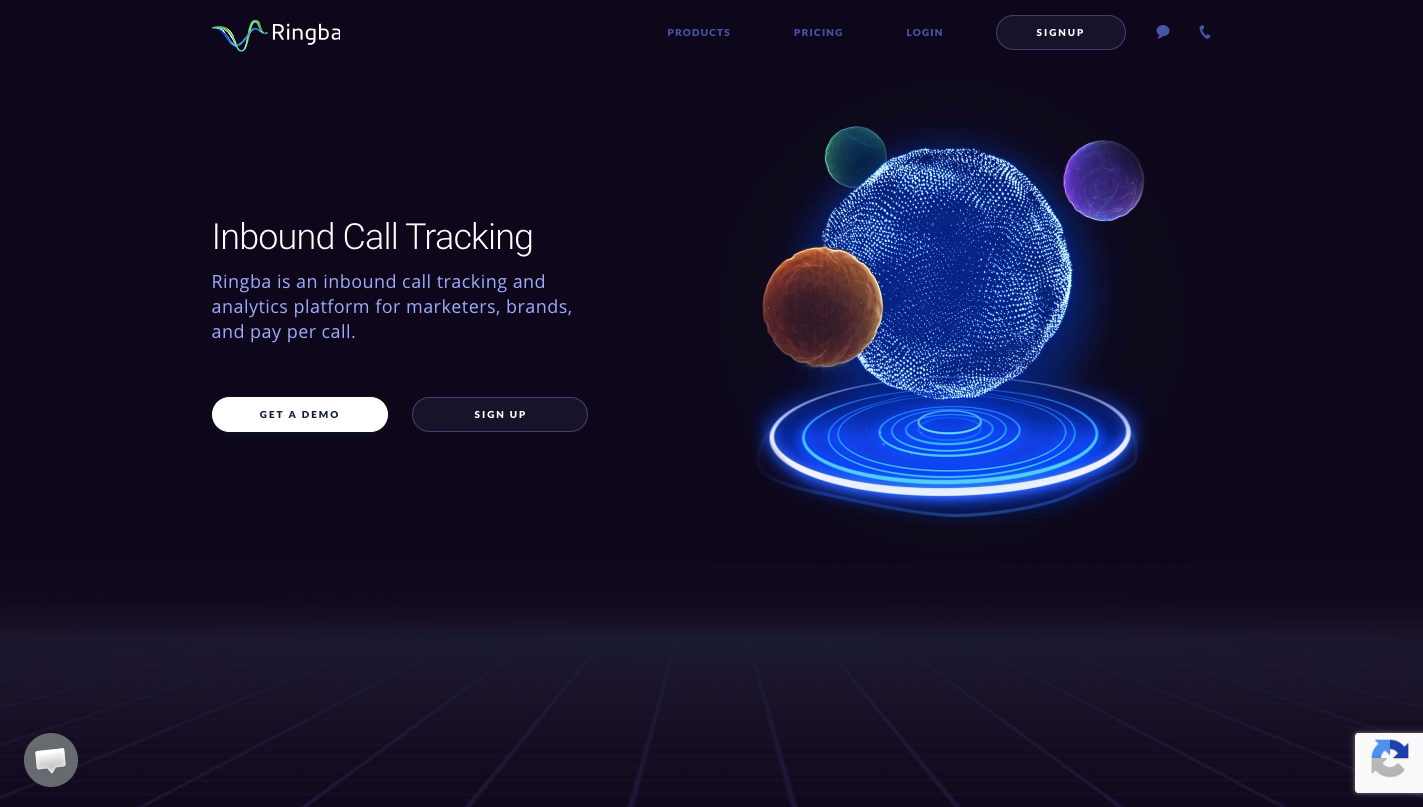
Pay-per-call networks use Ringba to track, qualify, and route inbound calls before buyers pay for them.
Weak caller screening creates expensive traffic quickly. Digital ads create major waste as well if you fail to profile your active website traffic before transfers begin.
Ringba’s routing pools assign specific phone profiles to track anonymous website visitors before the call connects. Unique tracking numbers also help you capture leads tied to exact traffic sources and campaigns.
Sellers raise data value through deep contact profiles via data enrichment. Internal algorithms, in addition, automatically route incoming callers via smart lead-to-account matching processes.
Weak outreach results occur when tools lack active sales engagement features, especially when large enterprise sales teams manage layered buyer pipelines.
Key Features
- Dynamic call tracking - Unique phone numbers connect live calls with ads, landing pages, search terms, and traffic campaigns tied to each visitor session.
- Caller verification - Telecom lookups review carrier details, ownership records, and caller locations before transfers move to buyers.
- Interactive voice menus - IVR prompts collect caller answers that help platforms filter service type, urgency, and estimated company size.
- Buyer routing rules - Distribution logic compares payout settings, geography, availability, and call quality before routing begins.
- Call management controls - Routing managers deploy automated rules to handle staff lead assignments tied to buyer schedules and campaign limits.
- Fraud and compliance tools - Spam blocking, call recording, and consent verification systems help operators review risky traffic and disputes.
Increase Lead Acceptance Rates With Standard Information
Rejected traffic usually starts with weak validation. Dead phone numbers, duplicate records, fake submissions, and slow routing lower buyer trust fast. Standard Information checks those issues before distribution begins.
Validation rules review phone activity, email status, fraud signals, and blacklist matches as traffic enters the platform. Routing starts after those checks finish.
Buyer filters then compare geography, pricing, schedules, and campaign limits before leads move into distribution queues. Ping post auctions also help sellers raise payouts by comparing multiple buyer bids in real time.
Operators manage routing, reporting, compliance settings, integrations, and marketplace controls from one dashboard instead of relying on separate tools connected manually. No-code integrations also help companies keep their existing tech stack while onboarding buyers faster.
FAQs About Lead Qualification Platforms
Which is the best platform for lead generation?
Standard Information stands out for companies that buy, sell, route, and qualify leads at scale. The platform combines validation, ping post auctions, routing, buyer management, and marketplace controls in one system.
How do lead qualification platforms work?
Lead qualification platforms review submissions before routing starts. Validation checks inspect phone activity, duplicate records, fraud signals, and email status first.
Most systems also use a lead qualification framework to filter traffic based on buyer rules.
What are the key features of the best lead qualification software?
The best platforms include real-time validation, ping post routing, fraud detection, duplicate filtering, buyer management, compliance controls, reporting dashboards, and flexible integrations.
What is a lead qualification system?
A lead qualification system checks whether traffic meets buyer requirements before distribution begins. The platform verifies contact details, filters risky submissions, and routes approved leads to matching buyers.