When you manage thousands of leads, dozens of buyers, and multiple verticals, the routing system you use becomes the backbone of your business. The right platform helps you increase yield, prevent refunds, control compliance, and keep every buyer and publisher aligned.
Ping-post technology plays a major role in this. It allows brokers to share partial lead details with several buyers, collect bids, and sell the full lead to the top bidder. This process rewards quality, improves matching, and prevents wasted inventory. For ping-post to work well, brokers require tools with real-time bidding, competition between multiple buyers, delivery limits, buyer filters, duplicate blocking, and useful reports.
Here are some of the top platforms that brokers in insurance, home services, finance, and solar are using. Each one supports the routing logic, controls, and compliance needs that define modern lead brokering.
1) Standard Information
What it is:
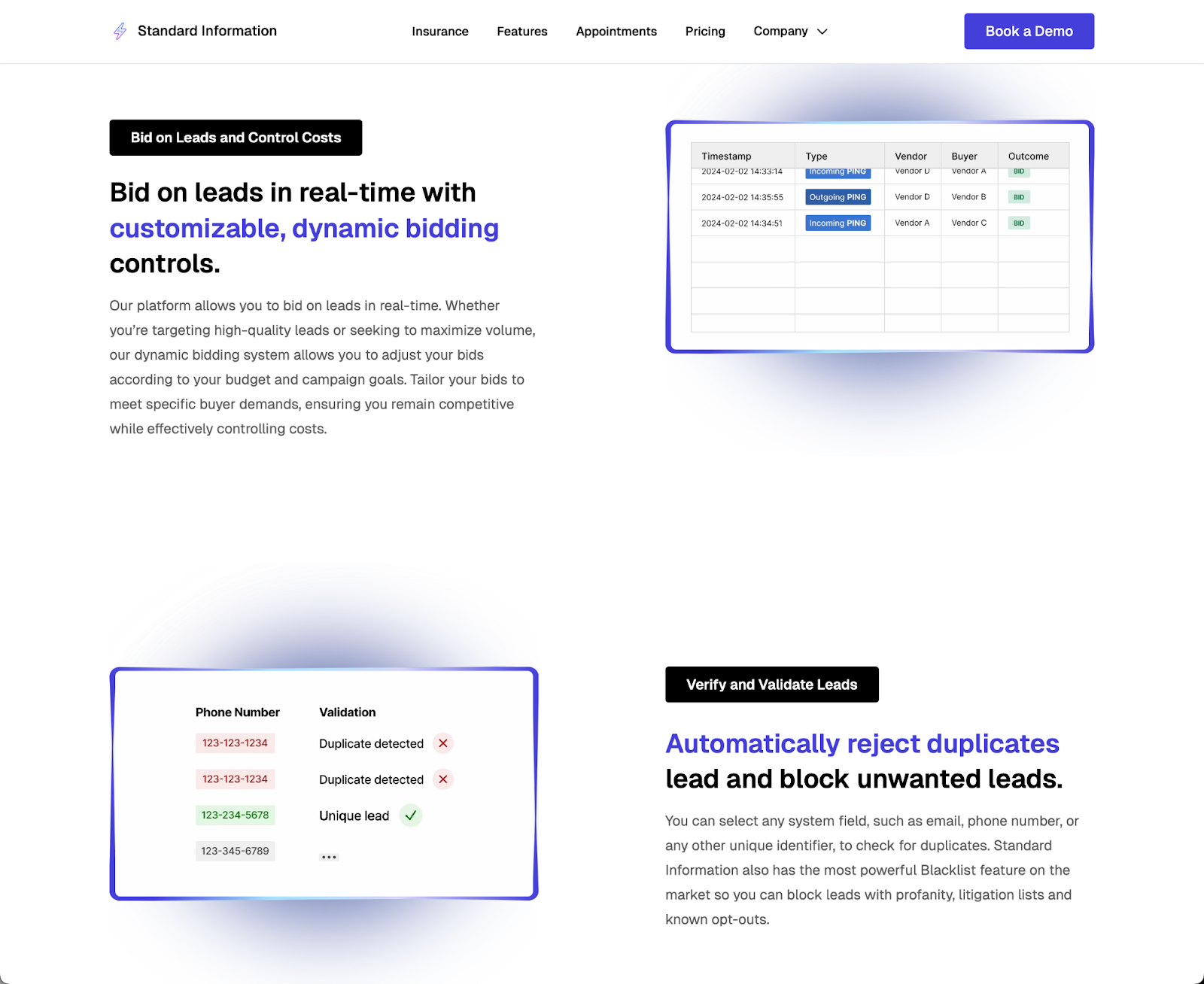
Standard Information is a routing and auction platform designed for brokers who want speed and flexibility without adding engineering work. It supports ping-post for both web leads and calls, along with real-time bidding and customizable buyer rules.
Why it fits lead brokers:
Standard Information makes it easy to launch new verticals, adjust buyer filters, and set up tiered bidding rules. Brokers can use features such as buyer scoring, delivery caps, fraud checks, suppression rules, publisher management, and automated buyer controls to handle many different business areas in one system. Teams like the clear layout, quick setup, and easy way to add publishers and buyers.
2) boberdoo
What it is:
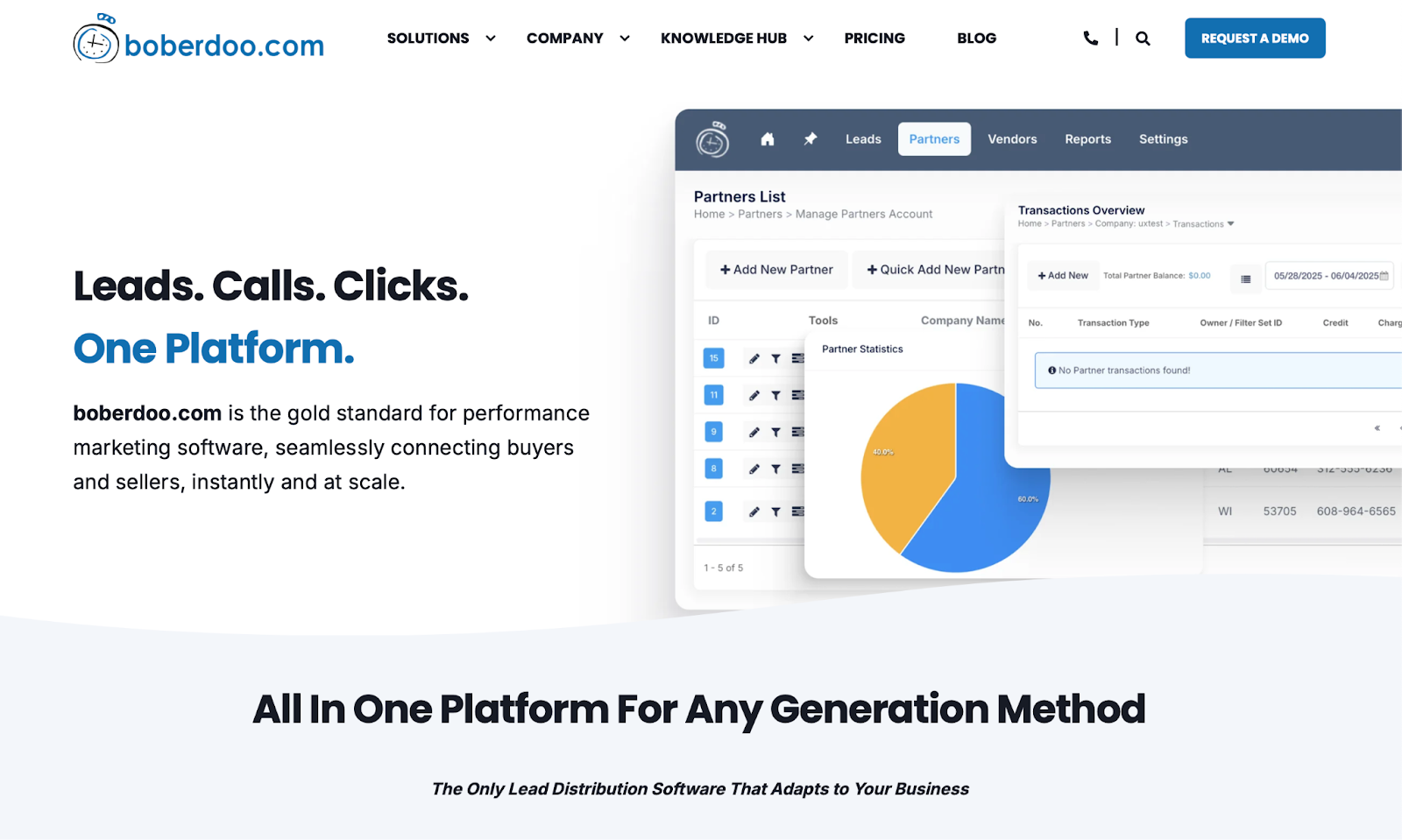
A long-standing platform built specifically for lead distribution. boberdoo is known for solid reliability and smart routing. It handles ping-post, ping-tree setups, and real-time bidding between multiple buyers.
Why it fits:
Here’s why boberdoo is a solid choice: It manages complex rules, checks for duplicates, and lets you tweak payouts. It also keeps different business types organized and reports everything as it happens. Plus, it includes compliance features, like data tracking and audit trails, which help lower the number of disputes. Brokers count on these features to keep things consistent as they grow.
3) Lead Prosper
What it is:
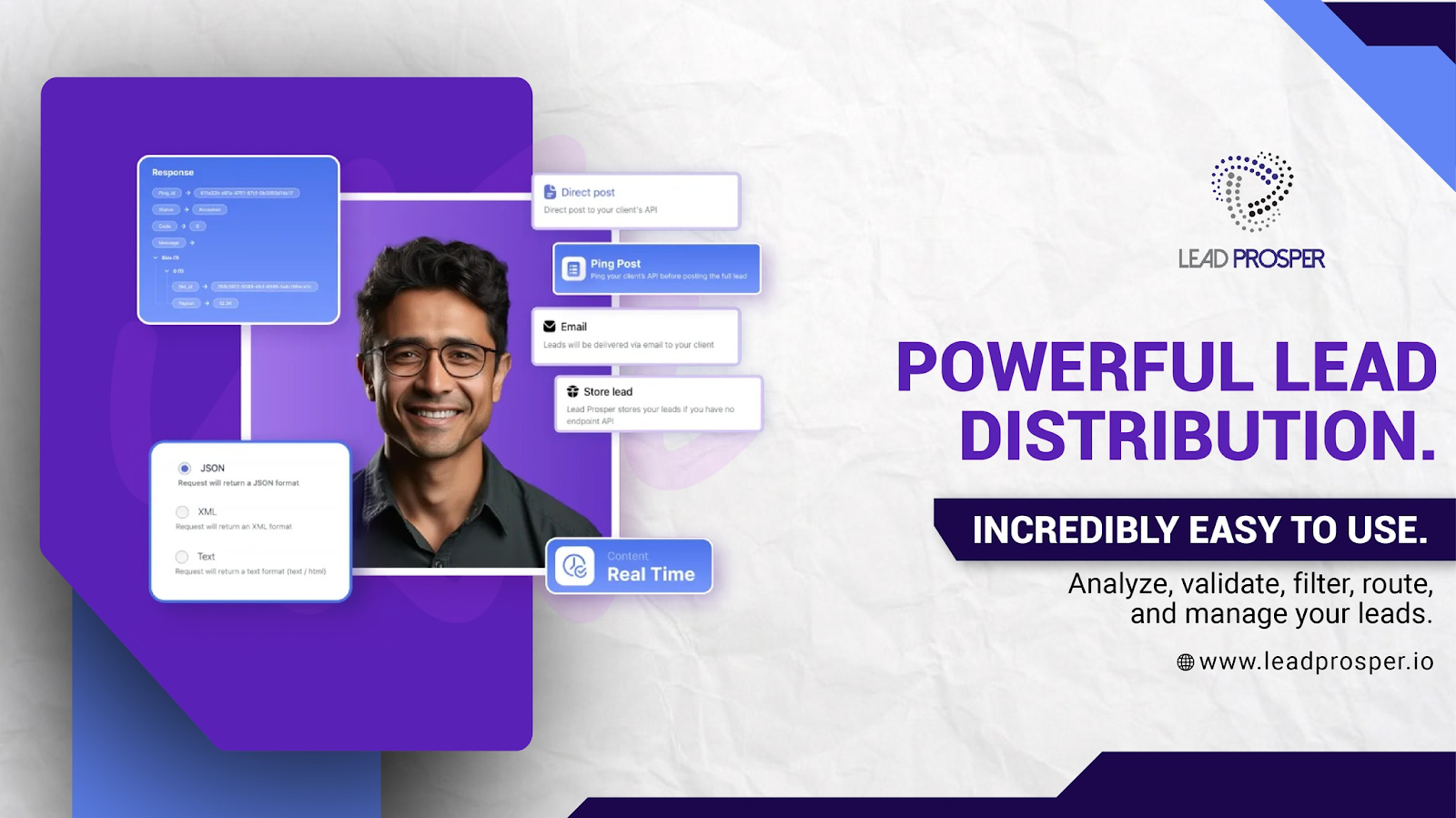
A basic lead routing tool that’s a solid choice for smaller teams. It lets you set up ping-post without needing a lot of tech skills.
Why it fits:
Lead Prosper has price rules, delivery controls, API keys for each buyer, postbacks, duplicate blocking, buyer testing, and automatic refund options. It helps brokers easily add new categories, which makes it a popular choice for networks growing into different areas.
4) Phonexa
What it is:
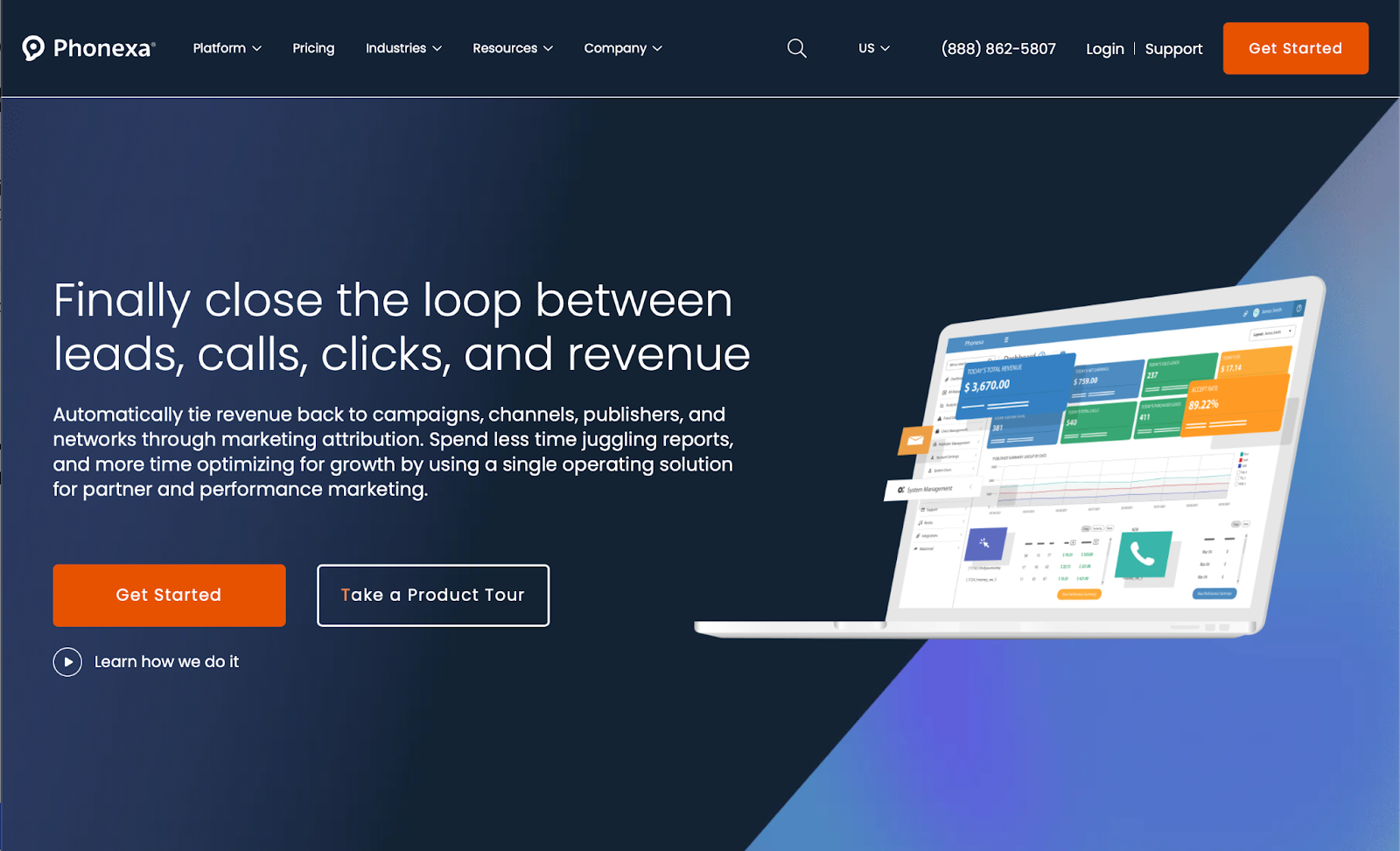
A system that manages both web and call leads. It handles ping-post and has IVR routing that bends to your needs.
Why it fits:
Brokers using online forms and phone calls can score leads with Phonexa, jot down info, move calls where they need to go, and do auctions, all in one spot. It comes with limits on how much you send, buyer filters, tools to keep you compliant, and dashboards that are simple to read for publishers and buyers.
5) ActiveProspect (TrustedForm + LeadConduit)
What it is:
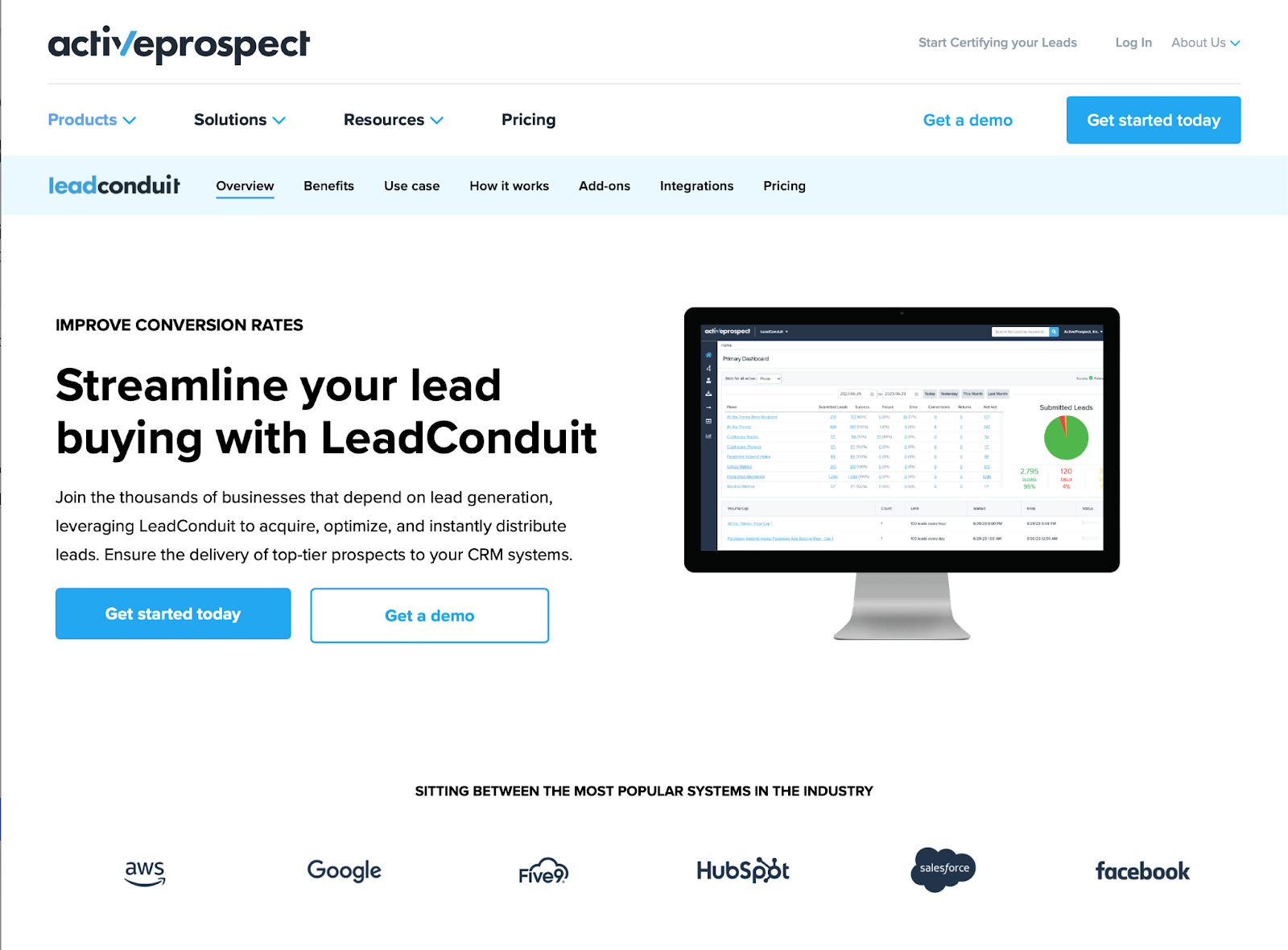
Lots of brokers use this verification system. LeadConduit minds your data quality, and TrustedForm proves someone gave their consent.
Why it fits:
Brokers use it to check where leads come from, block bad leads, track consent, stop duplicates, and record the full history of each conversion. ActiveProspect is not a routing system by itself, but it is often part of the workflow for brokers using platforms like SIO, boberdoo, or Lead Prosper.
6) CAKE
What it is:
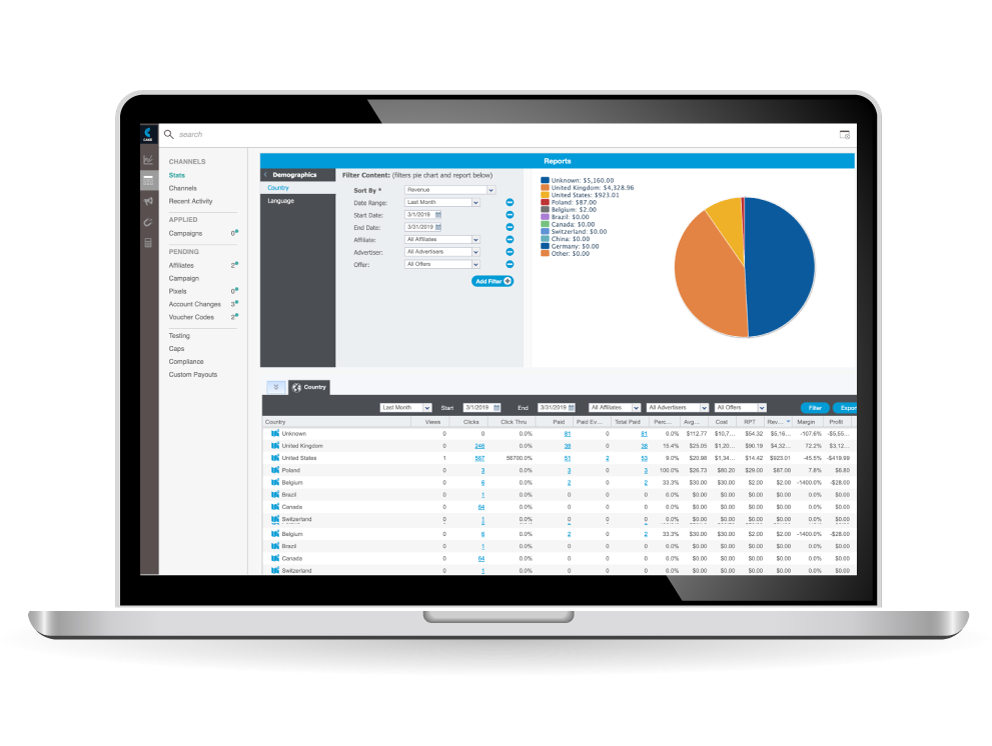
A performance-marketing platform with a mature lead distribution module and support for ping-post.
Why it fits:
CAKE includes price floors and ceilings, throttling, postbacks, fraud controls, and buyer/publisher earnings dashboards. Brokers operating large, national programs appreciate its stability and enterprise reporting.
7) PX Platform
What it is:
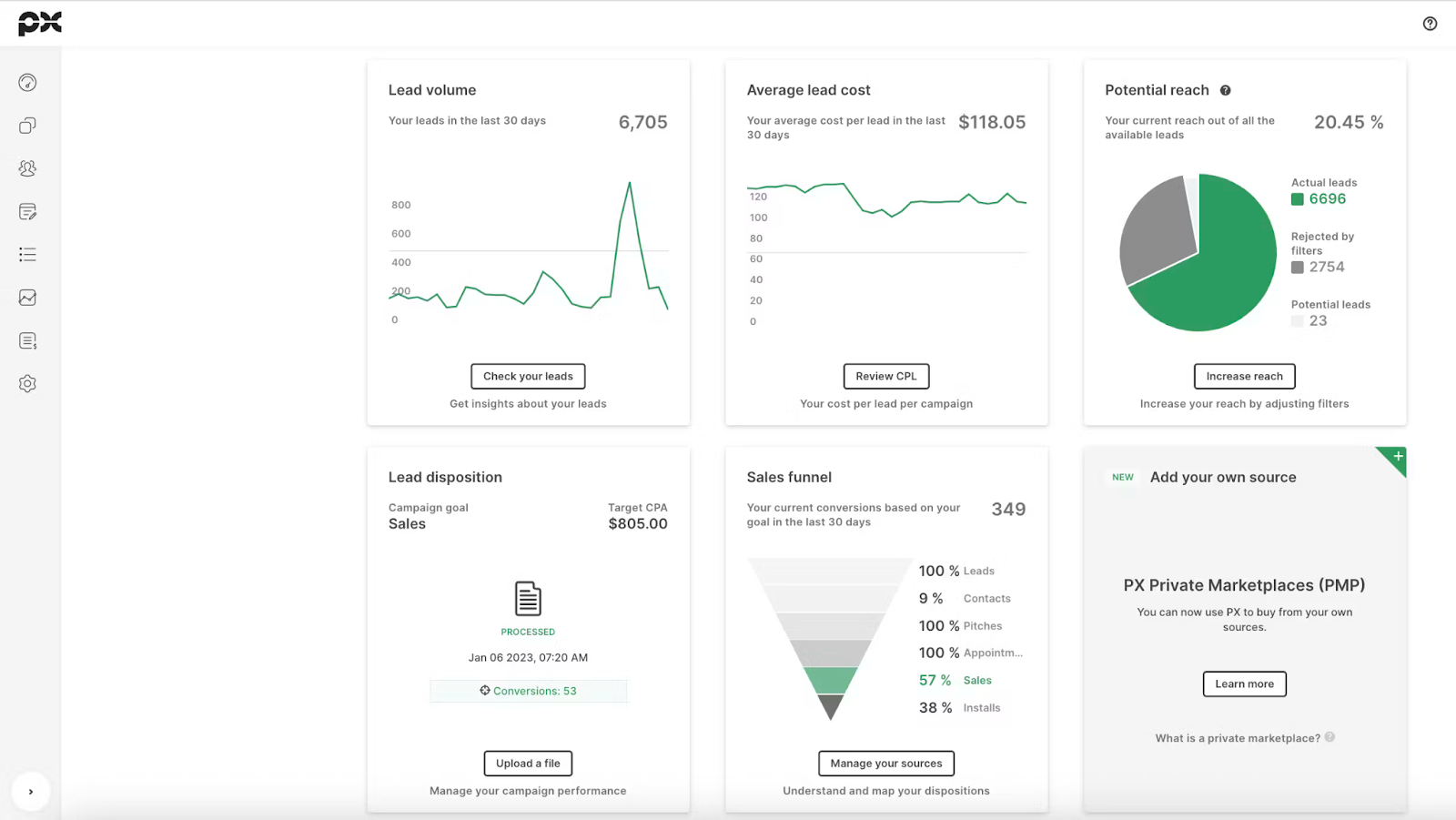
A marketplace platform that can run ping-post, direct post, and auction-based routing across multiple verticals.
Why it fits:
PX is strong for brokers who want visibility across sources, ROI, and buyer performance. It supports geo-filters, service filters, variable pricing rules, inventory management, and real-time delivery logic. It is well suited for brokers that want to operate an open exchange.
8) LeadExec (ClickPoint Software)
What it is:
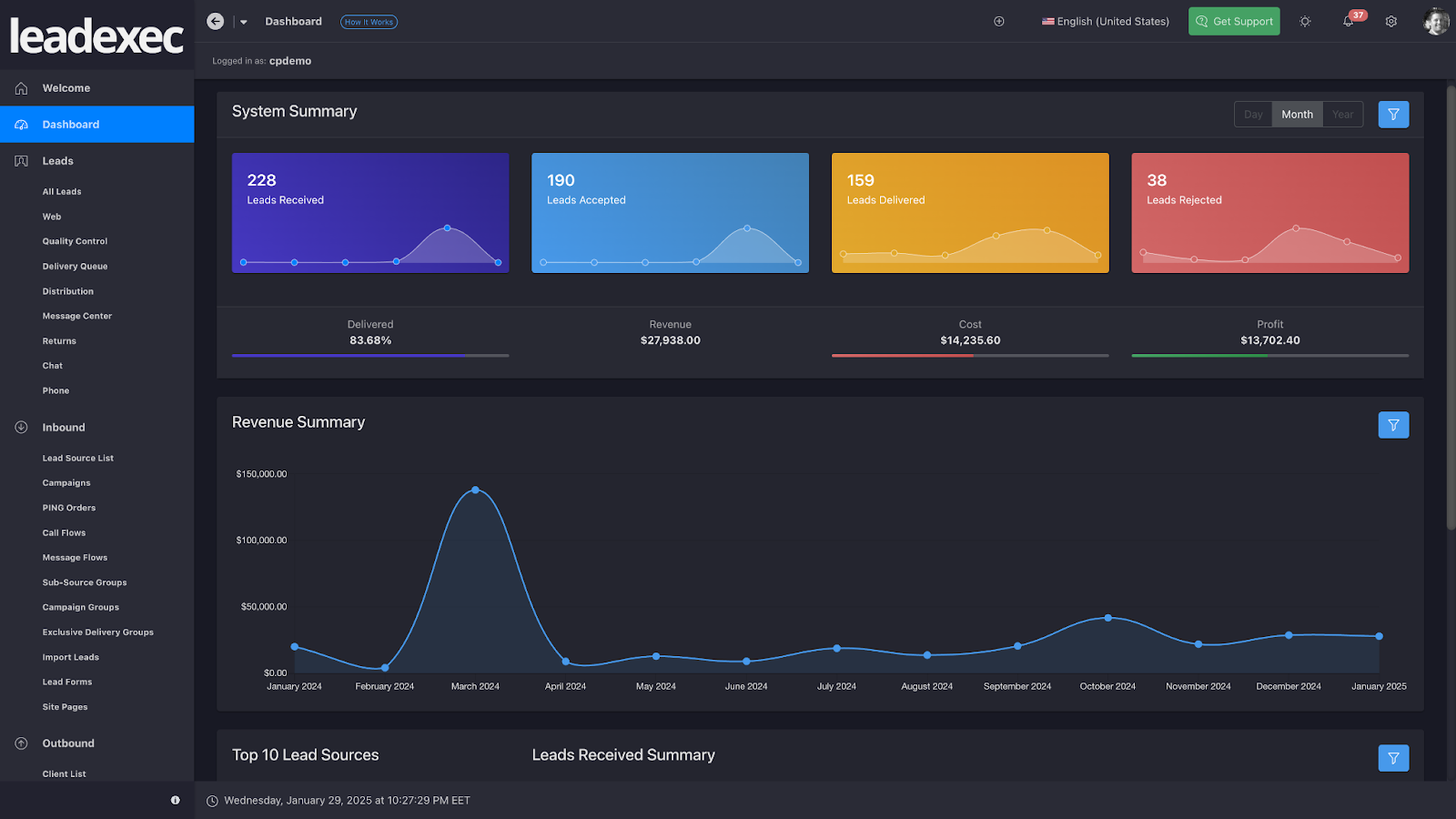
A routing system for web and call leads with support for ping-post, compliance checks, and performance tracking.
Why it fits:
LeadExec’s routing editor, buyer testing tools, and heartbeat checks make it friendly for mid-sized broker operations. It includes duplicate suppression, refund workflows, delivery controls, and dashboards that show buyer profitability and conversion trends.
9) Lead Capsule
What it is:
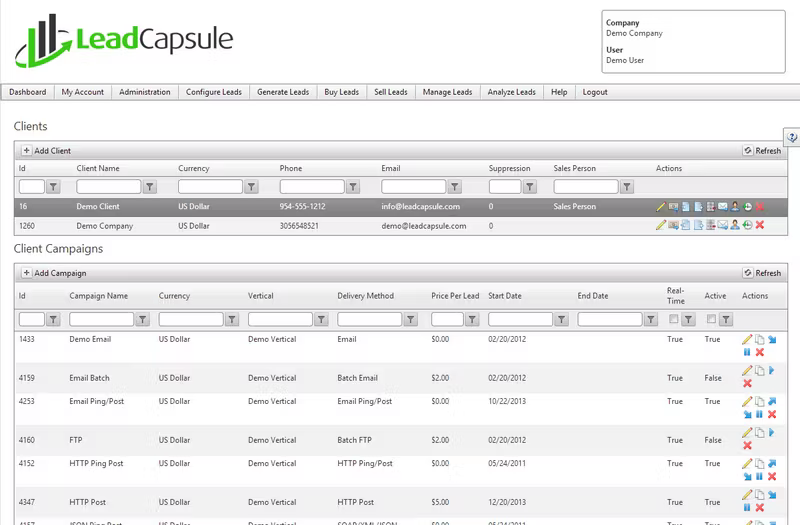
A platform with native ping-post functionality, built for marketplaces and multi-buyer networks.
Why it fits:
Lead Capsule offers tiered buyers, throttling, API-driven buyer onboarding, scoring rules, postback support, and inventory management. It allows brokers to handle various verticals and adjust pricing as demand changes.
10) PingTree Systems
What it is:
A routing engine designed for simple, dependable ping-post delivery.
Why it fits:
PingTree Systems includes geo filters, category filters, tiered pools, and structured payout logic. It’s a straightforward solution for brokers who want a dedicated engine without complex extras.
11) Retreaver
What it is:
A call-routing platform with strong attribute tagging, buyer rules, and bidding-based call delivery.
Why it fits:
Retreaver is a great fit for brokers dealing with a lot of calls in areas like insurance, home services, and finance. TrackDrive ensures calls get to the correct agent quickly, using tags, buyer info, and who’s available. As a call automation system, TrackDrive provides ping-post for leads and several ways to get in touch. Brokers can see which buyers are prepped, route calls through IVR, score callers, and send calls to the correct buyer. This reduces missed calls and helps boost conversion rates in fast-changing markets.
12) TrackDrive
What it is:
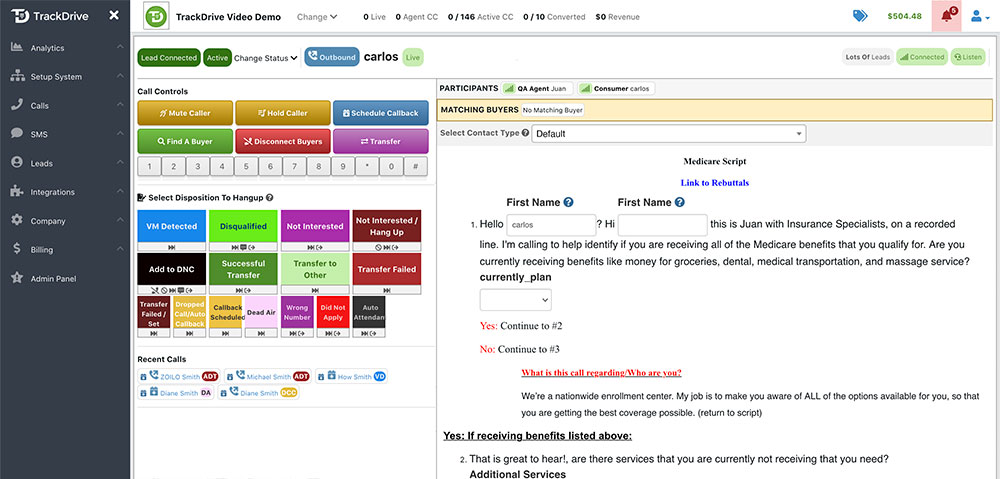
A call-automation platform with ping-post for phone leads and flexible connection options.
Why it fits:
TrackDrive enables brokers to verify buyer availability, route through IVR, score callers, and forward the call to the winning buyer. It helps minimize abandoned calls and improves conversion rates on time-sensitive verticals.
13) Jornaya (Add-on)
For industries with lots of rules, Jornaya, an add-on for TrackDrive, verifies consent and keeps tabs on data.
Brokers get solid proof of customer form submissions, protecting buyers and reducing disputes. It’s often used with a routing platform form to validate leads before delivery.
How to Choose the Right Platform as a Lead Broker
As a lead broker, choosing the correct platform depends on real-time bidding, multi-buyer routing, price settings, and delivery controls, so prioritizing a strong ping-post is key. The platform must process pings quickly, so there aren't delays.
- To cut down on risks and returns, find tools that assist with following the rules and tracing origins. They should let you handle approvals, show records, keep data logs, get rid of repeats, and handle publishers.
- Make sure it supports multi-vertical expansion. A routing system should allow you to add new verticals — auto, solar, home services, insurance — without developer help.
- Evaluate Reporting ScopeYou’ll want dashboards displaying buyer stats, publisher quality, conversion routes, and return on investment for each source.
Focus on AutomationFeatures like buyer checks, delivery rates, throttling options, and automatic refunds can safeguard your buyers and ensure stability.
Why Lead Brokers Choose Standard Information
Standard Information gives brokers what they need: automated ping-post, rule changes that fit, a simple interface, and solid delivery. With SIO, you can quickly create marketplaces, handle buyer terms, see how much you're earning, and grow without tech problems. It makes handling multi-buyer setups easy with location features, live bidding, publisher controls, and straightforward reports.
FAQs
What makes ping-post useful for brokers?It boosts yield by letting multiple buyers compete for each lead, improving match quality and pricing.
Do these systems handle calls as well as web leads?Platforms like Phonexa, TrackDrive, Retreaver, and Ringba are built for call-based ping-post.
Can brokers manage several verticals at once?Yes. Systems like SIO, boberdoo, PX, and Lead Capsule are designed for multi-vertical environments.
How do brokers reduce refunds and chargebacks?By using duplicate suppression, consent verification tools, lead provenance, and buyer filters.
Can buyers set custom rules?Yes. Most platforms allow ZIP filters, service filters, price caps, inventory limits, and day-parting schedules.
Meta Description
Best Lead Broker Platforms [2025]: 1. Standard Information 2. boberdoo 3. Lead Prosper 4. Phonexa 5. ActiveProspect 6. CAKE 7. PX Platform 8. LeadExec 9. Lead Capsule 10. PingTree Systems 11. Retreaver 12. TrackDrive 13. Jornaya